You may have noticed that computers, laptops, and upgrades are becoming more expensive, especially when it comes to memory (RAM). One of the main reasons for this comes down to who is buying the most RAM right now – and in very large quantities.
Data centres are using more RAM than ever before
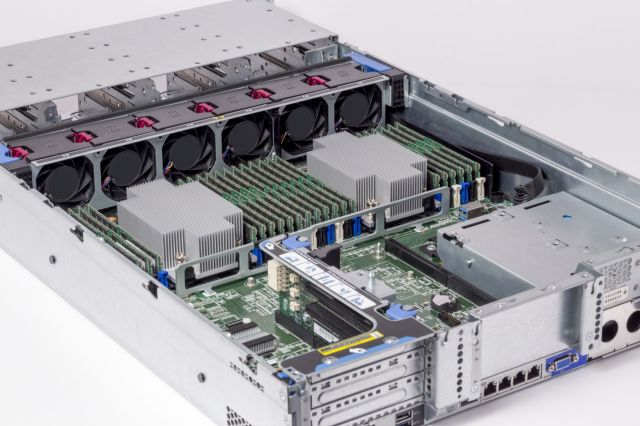
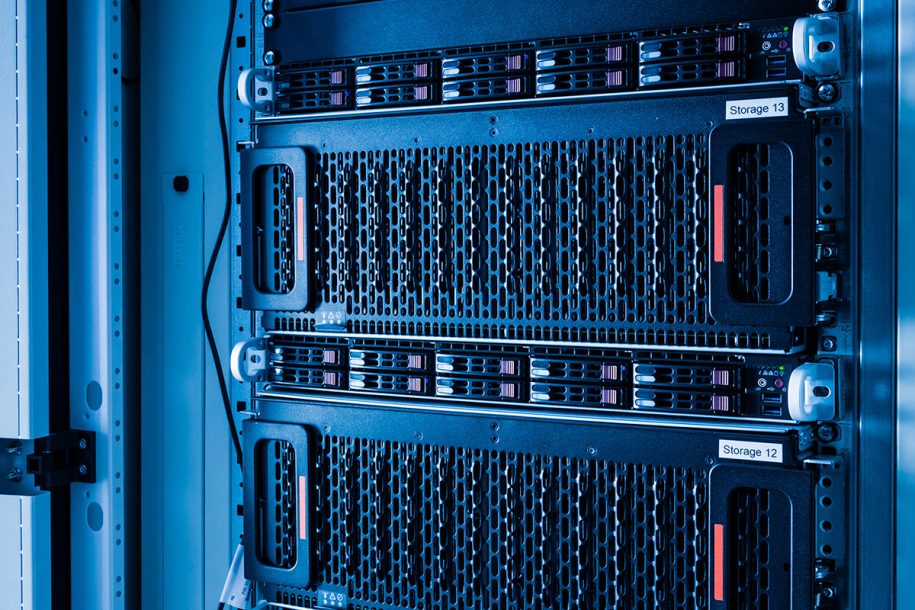
Behind everyday services like email, file storage, video calls, and online backups are huge data centres. These facilities run thousands of servers, and each server needs a large amount of RAM to work efficiently.
As more businesses move to cloud-based systems, demand for server memory has grown rapidly. Cloud providers tend to buy RAM in bulk and on long-term contracts, often taking priority over consumer and small business supply.
Because manufacturers have limited production capacity, this means less RAM is available for desktops, laptops, and small servers, which pushes prices up and increases delivery times.
Artificial intelligence is taking priority
Artificial intelligence (AI) systems require vast amounts of very fast memory to operate. Training and running AI models uses far more RAM than traditional software, and manufacturers are now focusing heavily on producing memory specifically designed for this purpose.
Major technology companies and data centre operators are willing to pay a premium to secure this memory. As a result, RAM manufacturers are prioritising high-end, specialist memory for AI systems instead of everyday RAM used in PCs.
Companies such as Samsung Electronics, SK hynix, and Micron Technology are directing more of their production towards these higher-value markets, which further reduces availability elsewhere.
What this means in simple terms
In short:
- Big data centres and AI platforms are buying most of the world’s RAM
- Manufacturers are focusing on higher-profit, specialist memory
- Less RAM reaches the general market
- Prices remain higher for consumers and small businesses
RAM is no longer just a standard computer part. It has become a